
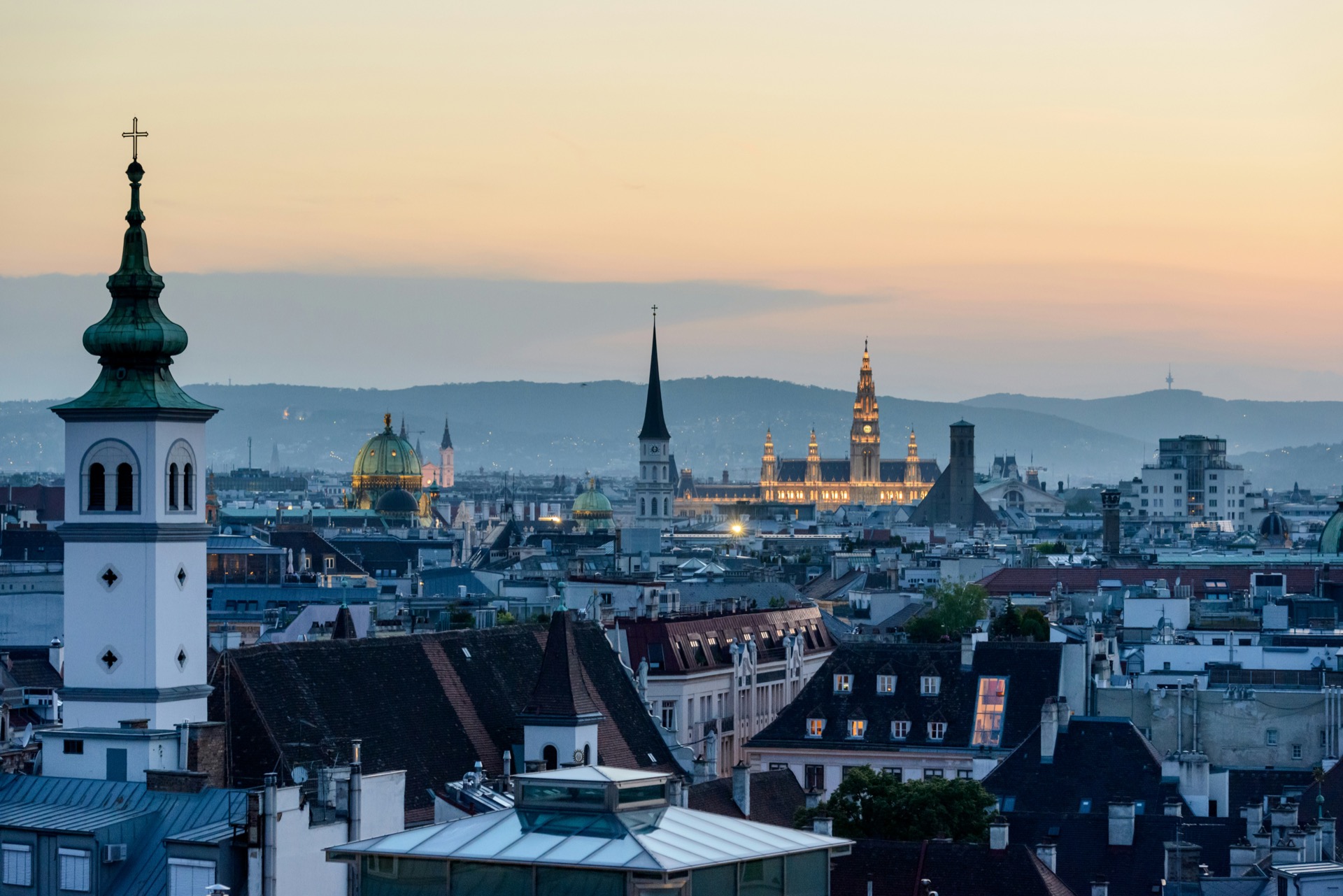
Vienna apartment prices climb 3.2% in Q1 2026 — where the market is heading next
Apartment prices across Vienna rose 3.2% in the first quarter — the strongest gain since Q3 2024. Falling mortgage rates, shrinking supply, and surging foreign investment are reshaping the market. Here's what the data reveals, district by district.
Vienna's apartment market posted a 3.2% price increase in the first quarter of 2026, according to data compiled by the Austrian National Bank and cross-referenced with METROX's proprietary demand index. It's the strongest quarterly performance since Q3 2024 — and a clear signal that the market has shifted from recovery mode into active growth.
The city-wide average now sits at €5,840/m² for resale apartments and €6,920/m² for new builds. But the headline number masks a widening divide. Inner-city districts (1–9) command €9,200–€22,400/m², while outer districts like Favoriten and Floridsdorf remain at €4,000–€5,500. That gap grew another 4% this quarter alone.
What's driving the acceleration? Three forces are converging simultaneously.
First: cheaper money. The ECB's dovish pivot pushed Austrian mortgage rates below 3% for the first time since 2024. For a buyer financing a typical 70m² apartment, that translates to roughly €180 less per month compared to late 2023 peak rates. First-time buyers who were sidelined are now re-entering the market in force.
Second: a supply crunch that keeps tightening. Building permits in Vienna fell 15% year-over-year in Q1, extending a decline that started in mid-2024 when material costs and stricter energy regulations made new projects economically unviable. Fewer than 8,000 new units are expected to be completed in all of 2026 — down from 12,000 in 2023. Less supply means more competition for existing stock.
How to buy property in Vienna as a foreigner — the complete 2026 guide
Third: foreign capital is back. Cross-border real estate transactions in Austria surged 32% compared to Q1 2025. German, Italian, and increasingly Asian investors are targeting Vienna as a stable, high-quality-of-life alternative to Munich, Zurich, or Amsterdam — cities where comparable apartments cost 30–40% more.
The rental market tells a similar story. Average asking rents rose 2.8% quarter-over-quarter to €14.20/m²/month. The steepest increases — up to 4.1% — are along the U2 metro extension corridor in Donaustadt, where improved infrastructure is pulling tenants from the crowded inner city.
District by district, the METROX demand index paints a nuanced picture. The top performers in Q1: Innere Stadt (1st) with a demand index of 73, Neubau (7th) at 71, and Penzing (14th) at 71 — the latter riding its green spaces and family-friendly reputation. On the other end, Simmering (11th) and Liesing (23rd) posted the lowest scores, though even they saw modest gains of 1.5–2%.
"The combination of falling rates, constrained supply, and strong fundamentals makes Vienna one of the most attractive mid-term plays in European residential real estate," says Dr. Thomas Weber, Head of Research at Austrian Real Estate Advisory. "We project full-year price growth of 5–7% for 2026."
For investors watching the data: the demand-to-supply ratio now exceeds 1.2× city-wide, putting Vienna firmly in "warming up" territory. In districts like Neubau and Josefstadt, the ratio hits 1.8× — seller's market conditions where properties move within 21 days on average.
The bottom line: Vienna's apartment market has found a sweet spot. Prices are climbing but remain significantly cheaper than peer cities. The fundamentals — rates, supply, demand — all point in the same direction. The question isn't whether prices will continue rising. It's which districts will move fastest.
How to buy property in Vienna as a foreigner — the complete 2026 guide
Next →Nordbahnhof development: 1,200 new units planned by 2028
Related Stories
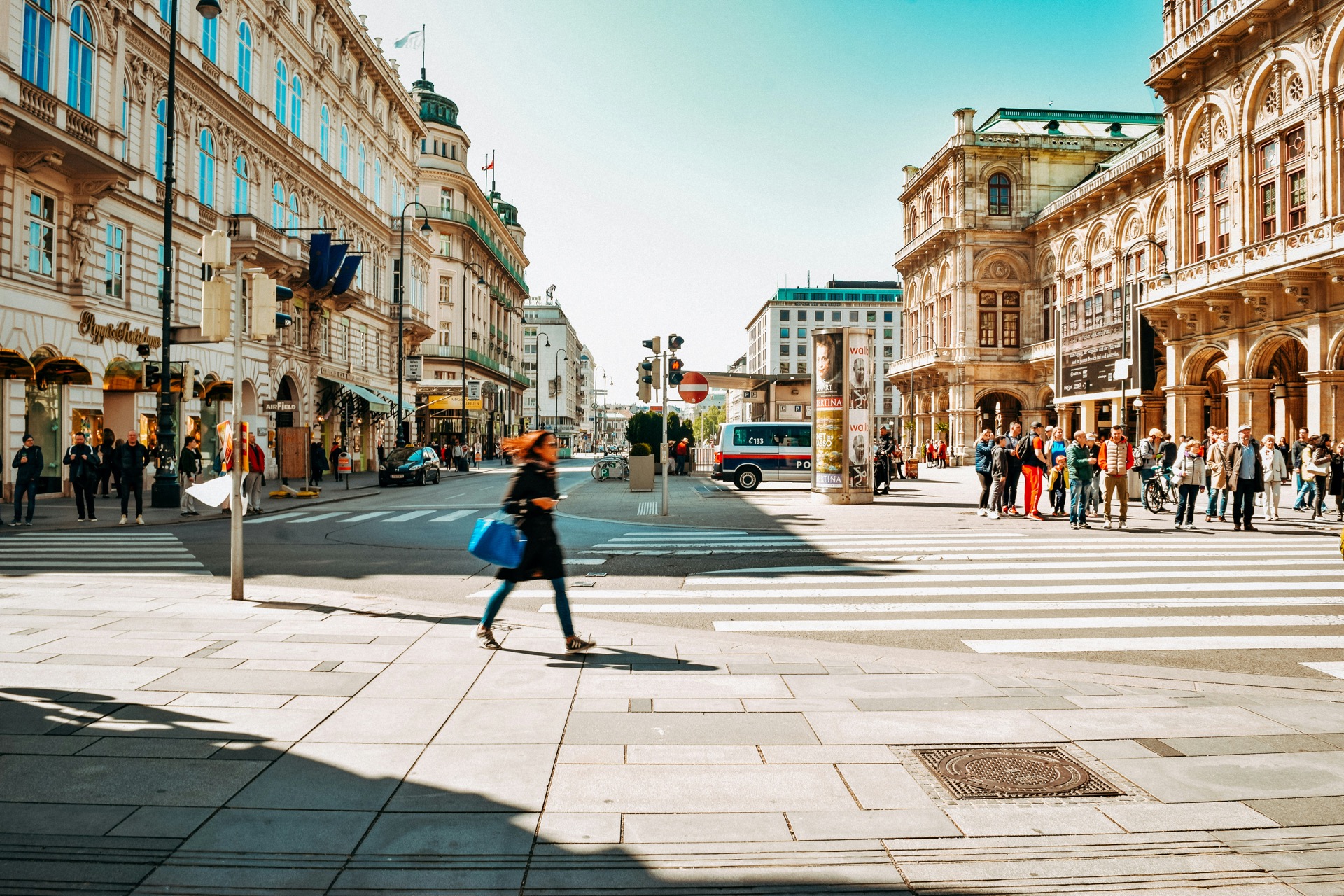
Best districts to buy property in Vienna in 2026 — a data-driven guide
METROX Research
Inner city hits record price per sqm in Q1 2026 — €22,400 average
Immobilien Magazin
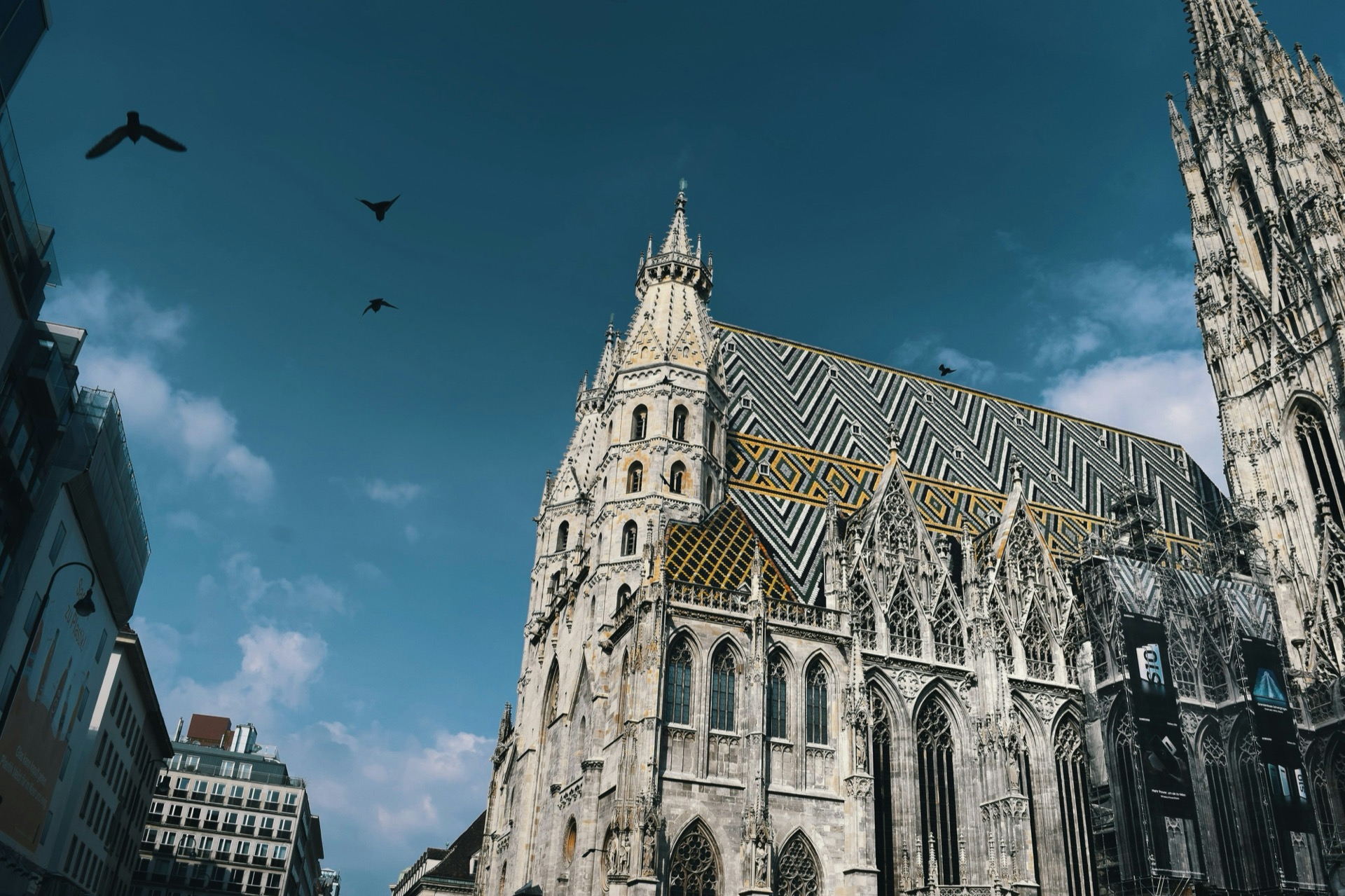
How to buy property in Vienna as a foreigner — the complete 2026 guide
METROX Research
Nordbahnhof development: 1,200 new units planned by 2028
Der Standard
Stay informed
Weekly market digest — top headlines, index changes, and district alerts.